
No products in the cart.
Uncategorized
How to Use a Tourniquet Correctly to Save a Life
20
Apr
Apr
A traumatic injury can cause a person to bleed to death in as little as five minutes. In these critical moments, knowing how to use a tourniquet is not just a skill, it is a direct intervention between life and death. This simple device, when applied properly, can completely stop severe bleeding from a limb, giving emergency services the time they need to arrive. Yet, hesitation and incorrect technique render it useless. This guide provides the clear, actionable knowledge required to act decisively.
When a Tourniquet Becomes Necessary
You should apply a tourniquet for any severe, life-threatening bleeding from an arm or leg that you cannot control with direct pressure. Look for blood that is pumping or spurting from a wound, soaking through multiple bandages rapidly, or pooling on the ground. Do not wait. If direct pressure fails after two to three minutes, or if the situation is too dangerous to maintain pressure, move immediately to a tourniquet. Remember, the risk of limb loss from a properly applied tourniquet is far lower than the risk of death from uncontrolled hemorrhage.
This decision is a cornerstone of modern emergency bleeding control protocols. Courses aligned with TCCC guidelines (Tactical Combat Casualty Care) emphasize rapid recognition and intervention. For civilians, this knowledge is now part of many standard first aid training programs, reflecting its vital importance in hemorrhage management for car accidents, workplace injuries, or other traumatic events.
The Critical Components of an Effective Tourniquet
Not all constricting devices are equal. A proper commercial tourniquet, like a CAT tourniquet or similar, is engineered for one-handed self-application and to generate enough pressure to occlude arterial flow. It consists of a band, a windlass rod for tightening, a securing device, and often a time strap. In contrast, improvised tourniquets from belts or shirts are notoriously unreliable. They often fail to achieve sufficient pressure, causing more venous bleeding without stopping arterial flow, and can cause significant tissue damage.
Having a reliable device in your first aid kit or vehicle is a responsible precaution. You can find quality commercial tourniquets designed for both professional and personal use from reputable suppliers of emergency medical supplies.
Step-by-Step Tourniquet Application
Follow these tourniquet application steps methodically. Speed is crucial, but precision ensures it works.
1. Position and Placement
Place the tourniquet on the injured limb, 2 to 3 inches above the bleeding wound. Never place it directly over a joint like the knee or elbow. If the injury is very high on the limb, place it as high as possible. The goal is to stop blood flow between the heart and the injury. For proper limb tourniquet placement, the band should be on bare skin. Quickly cut away clothing if necessary.
2. Tighten and Secure
Pull the free end of the band tightly through the buckle or clip until it is snug. Then, begin turning the windlass rod. You must turn it until the bleeding stops completely. This will be painfully tight for the conscious victim. Once the bleeding has stopped, secure the windlass rod in place using the provided clip or strap. Many tourniquets have a Velcro time strap to note the time of application. Write this time directly on the tourniquet or the victim’s forehead if no strap exists.
3. Verify and Communicate
Check for a pulse below the tourniquet. There should be none. Verify once more that the bleeding has ceased. Do not cover the tourniquet with a blanket or bandage. It must remain visible for arriving paramedics. Clearly tell emergency responders, “A tourniquet was applied at [time].”
Common Mistakes and How to Avoid Them
Failure in hemorrhage control often stems from these errors.
- Placing it too low: Placing it just above the wound instead of 2-3 inches above can miss major arteries and fail to stop bleeding.
- Not tightening enough: The most common error is stopping when the victim complains of pain. You must turn the windlass until the bleeding STOPS, not until it is just “tight.”
- Using an improvised tourniquet: A belt or rope rarely works and wastes precious time. A dedicated device is essential.
- Loosening it periodically: Once applied, a tourniquet should only be removed by a physician in a surgical setting. Never loosen it in the field.
For instance, a 2015 study in the Journal of Special Operations Medicine found that improvised tourniquets had a failure rate exceeding 80%, while commercial windlass types like the CAT had a success rate over 95% when used by trained individuals. This statistic highlights the danger of relying on makeshift solutions.
Tourniquet Types: A Quick Comparison
Understanding the tools available helps you make an informed choice for your kit.
| Tourniquet Type | Primary Use Case | Key Advantage | Consideration |
|---|---|---|---|
| Commercial Windlass (e.g., CAT, SOFTT-W) | General first aid, tactical medicine | Proven reliability, one-handed self-application techniques | Requires practice to use effectively under stress |
| Ratchet Style (e.g., SAM XT) | Pre-hospital care, longer transport | Precise pressure control, easy to adjust | Bulkier, may be more expensive |
| Elastic Pressure (Improvised from stretch bandage) | Absolute last resort only | May be only available item | High failure rate, difficult to achieve arterial pressure |
The Role of Training and Practice
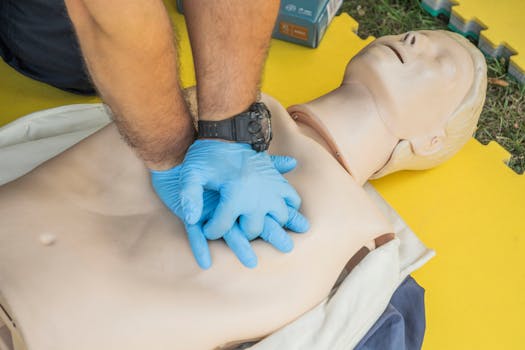
Reading about how to use a tourniquet is not enough. Muscle memory built through repetition is what allows you to act under extreme stress. Hands-on first aid training courses provide this opportunity. Furthermore, practicing with tourniquet training manikins that simulate bleeding limbs allows you to rehearse the correct pressure and technique in a realistic, zero-risk environment. Investing in this training is as important as buying the device itself.
Many organizations that sell emergency medical supplies also offer or can direct you to comprehensive hemorrhage control classes. For example, the American College of Surgeons’ “Stop the Bleed” program has trained over 2.5 million people in these techniques since its inception, demonstrating the widespread recognition of this skill’s value.
Aftercare and What to Expect
Once a tourniquet is on, your job shifts to monitoring the victim and preparing for professional help. Keep the victim still, warm, and calm. The limb will become pale, cool, and numb. This is expected. Reassure the conscious victim that the tourniquet is necessary and that help is coming. Paramedics and doctors will manage the next stages of care, including fluid replacement and surgical intervention. The duration a tourniquet can be safely left on is measured in hours, not minutes, when advanced care is imminent. Military data indicates tourniquets can be tolerated for two to six hours without irreversible damage, provided the patient receives appropriate medical care.
Frequently asked questions
Can I apply a tourniquet to the neck or torso?
No. Tourniquets are only for limbs (arms and legs). Severe bleeding on the torso, neck, or groin requires packing the wound with hemostatic gauze and applying direct, sustained pressure. These areas do not have a single bone structure to compress the artery against.
Will using a tourniquet cause the person to lose their limb?
The risk is very low with proper application and timely hospital care. Tissue damage begins after several hours. Death from blood loss can occur in minutes. Saving a life always takes priority over saving a limb. A tourniquet is a life-saving intervention first.
How painful is a tourniquet for the victim?
It is extremely painful for a conscious person, as you are compressing nerves and cutting off circulation. This pain is not a sign to stop tightening. You must explain your actions calmly and continue until the bleeding is controlled. The pain underscores the seriousness of the injury.
Where should I keep a tourniquet for quick access?
Store one in your home first aid kit, your vehicle’s emergency kit, and your workplace if hazards are present. For individuals with specific risks, carrying a compact tourniquet in a daypack or briefcase is reasonable. Ensure everyone in your household or team knows its location.
Should I learn about arterial pressure points instead?
Knowledge of arterial pressure points is supplementary, not a replacement. Applying direct digital pressure to a proximal artery is difficult, tiring, and often ineffective for severe hemorrhage. A tourniquet is a faster, more reliable solution for limb injuries.
How do I know if a commercial tourniquet is legitimate and not a counterfeit?
Purchase tourniquets directly from authorized distributors or reputable medical supply companies. Counterfeit devices often have poor stitching, weak buckles, or inferior windlass rods that can snap. Genuine products from manufacturers like North American Rescue or TacMed Solutions have specific serial numbers and holographic verification stickers. A fake tourniquet is a dangerous liability.
